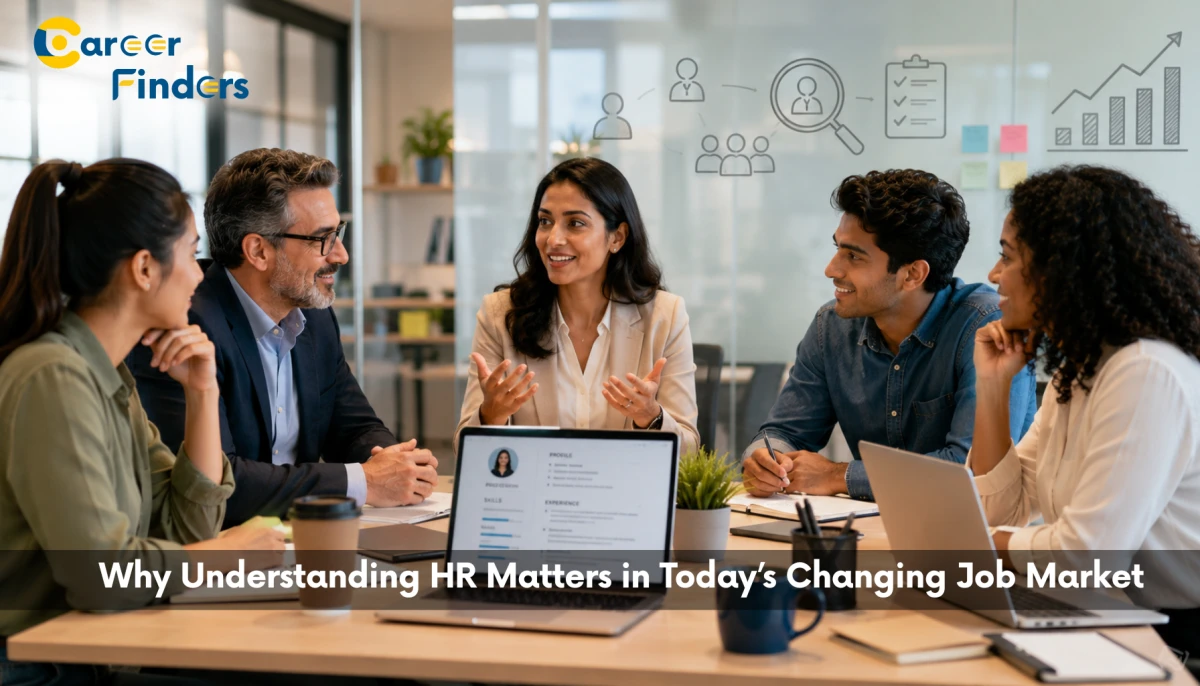
The modern job market is no longer simple. A few years ago, many candidates believed that a degree, a basic resume and a few applications were enough to start a career. Employers also followed a more traditional hiring process where experience, qualification and interview performance were the main focus. Today, the situation has changed. Companies want candidates who are skilled, confident, adaptable and ready to work in real workplace environments. At the same time, students and job seekers want to understand what employers actually expect from them.
This is why meaningful HR conversations have become important. Human Resource professionals are no longer only responsible for recruitment paperwork or interview scheduling. They play a major role in shaping workplace culture, improving employee experience, finding the right talent and helping businesses grow with stronger teams.
For employers, HR conversations can provide better hiring direction. For students, they can offer real career guidance. For job seekers, they can explain how recruitment decisions are made. For recruiters and professionals, they can highlight the changing expectations of the workplace.
CareerFinders.co believes that career growth is not only about finding jobs. It is also about understanding the job market, learning from industry insights and preparing for real employment opportunities.
The workplace is changing quickly. Technology, automation, remote work, hybrid roles, skill-based hiring and changing employee expectations are all affecting the way companies recruit and manage people. Because of this, both employers and candidates need clearer communication.
Many employers say that candidates are not job-ready. Many candidates say they do not know what companies are really looking for. This gap creates confusion during hiring.
HR conversations help reduce this gap. When HR leaders, recruiters and workplace professionals discuss hiring challenges openly, students and job seekers get a better understanding of employer expectations. At the same time, employers can better understand what candidates need from a modern workplace.
This kind of knowledge is useful for everyone connected to the job market.
For employers, hiring is one of the most important parts of business growth. A company can have a strong product, good service and clear goals, but without the right people, progress becomes difficult. Hiring the wrong candidate can cost time, money and productivity. Hiring the right person can improve teamwork, customer service and long-term business performance.
HR discussions help employers understand how to attract better candidates. Today’s job seekers are not only looking at salary. They also consider workplace culture, career development, flexibility, leadership style and growth opportunities.
Employers who understand these expectations can improve their recruitment process. They can write clearer job descriptions, communicate better during interviews, create smoother onboarding and build stronger employer branding.
Small businesses and growing companies can benefit even more from these insights. Many small employers do not have large HR teams, but they still need to hire carefully. Understanding HR trends can help them avoid common mistakes and build a more stable workforce.
Students often enter the job market without knowing how recruitment really works. Many focus only on marks, degrees or certificates. While education is important, employers also look at communication skills, confidence, attitude, problem-solving ability and willingness to learn.
HR conversations can help students understand these expectations before they start applying for jobs. They can learn why resumes need to be clear, why interview answers should be practical and why workplace behaviour matters from the beginning.
For students preparing for internships, campus placements or entry-level roles, this knowledge can be very useful. It helps them move from academic thinking to professional thinking.
A student who understands employer expectations early can prepare better. They can improve their resume, build relevant skills, practise interviews and develop a more professional mindset. This can make them more confident when applying for their first job.
Job seekers often feel frustrated when they apply for many jobs but receive few responses. Sometimes the problem is not lack of ability. The issue may be how the candidate presents skills, writes the resume or answers interview questions.
HR insights can help job seekers understand what recruiters notice first. Recruiters usually look for relevant experience, clear communication, matching skills, job stability and confidence. If a resume is confusing or too generic, it may not get shortlisted even if the candidate is capable.
Job seekers can also learn how to explain career gaps, job changes or industry transitions in a better way. Many people have strong experience but do not know how to present it properly.
Understanding the recruitment process from an HR point of view helps candidates become more strategic. Instead of applying randomly, they can target suitable roles, improve applications and prepare stronger interview answers.
Recruiters and HR professionals also need to keep learning. The hiring market is not the same as before. Candidate behaviour has changed, job expectations have changed and technology has changed the way applications are screened.
Recruiters now need to understand employer branding, candidate experience, skill-based hiring, workplace diversity and employee retention. They also need to communicate clearly with both companies and candidates.
Regular HR discussions can help recruiters stay updated with workplace trends. They can learn from real hiring challenges, understand new recruitment methods and improve the way they connect employers with suitable talent.
In a competitive job market, recruiters who understand both business needs and candidate expectations can create better results.
Career growth is not only about getting hired. It is also about staying employable, learning continuously and understanding workplace expectations. HR professionals see these patterns closely because they work with both employers and employees.
They understand why some candidates get selected, why some employees grow faster and why some professionals struggle despite having qualifications.
This makes HR knowledge valuable for career development. Students, freshers and working professionals can use these insights to make better career decisions. They can understand which skills matter, how to behave professionally and how to prepare for long-term success.
CareerFinders.co focuses on helping readers understand these practical career topics in a simple and useful way.
One of the biggest problems in hiring is the communication gap between employers and candidates. Employers want job-ready talent, but candidates may not know how to show that they are ready. Candidates want good opportunities, but employers may not always explain roles clearly.
HR conversations can help both sides understand each other better.
Employers can learn how to make hiring more transparent and candidate-friendly. Candidates can learn how to present themselves more professionally. Students can understand what to prepare before entering the job market. Recruiters can improve the way they match talent with opportunity.
When this gap becomes smaller, hiring becomes smoother and career decisions become stronger.
HR conversations are becoming more important because the job market is changing fast. Employers need better hiring strategies. Students need real career guidance. Job seekers need practical recruitment insights. Recruiters need to stay updated with modern workplace trends.
For employers, these conversations can improve hiring quality and workplace culture. For students, they can provide early career direction. For job seekers, they can improve confidence and preparation. For professionals, they can support long-term career growth.
The future of work will belong to people and organisations that understand both skills and human behaviour. Hiring is not only about filling vacancies. Career growth is not only about submitting applications. Both require awareness, preparation and communication.
CareerFinders.co will continue to share useful career insights, hiring updates and workplace knowledge to help employers, students and job seekers make better decisions in a changing employment market.
(1) Employers are shifting toward skills-based hiring as job roles and workplace expectations continue to change
https://www.weforum.org/publications/the-future-of-jobs-report-2025/
(2) Recruiters are giving more importance to skills, adaptability and AI awareness instead of only degrees or job titles
https://business.linkedin.com/hire/resources/future-of-recruiting
(3) HR professionals are increasingly using skill credentials and practical abilities in hiring decisions
https://www.shrm.org/topics-tools/research/skills-first-movement-redefining-how-organizations-hire-grow
(4) Employers say communication, leadership and professionalism are becoming important for entry-level hiring
https://timesofindia.indiatimes.com/education/news/ai-replaces-some-entry-level-jobs-but-employers-say-communication-leadership-and-professionalism-will-decide-who-gets-hired-survey/articleshow/132047255.cms
(5) Companies are using skills-based hiring to reduce hiring mistakes and improve recruitment quality
https://www.shrm.org/enterprise-solutions/insights/designing-no-fuss-skills-based-hiring-process