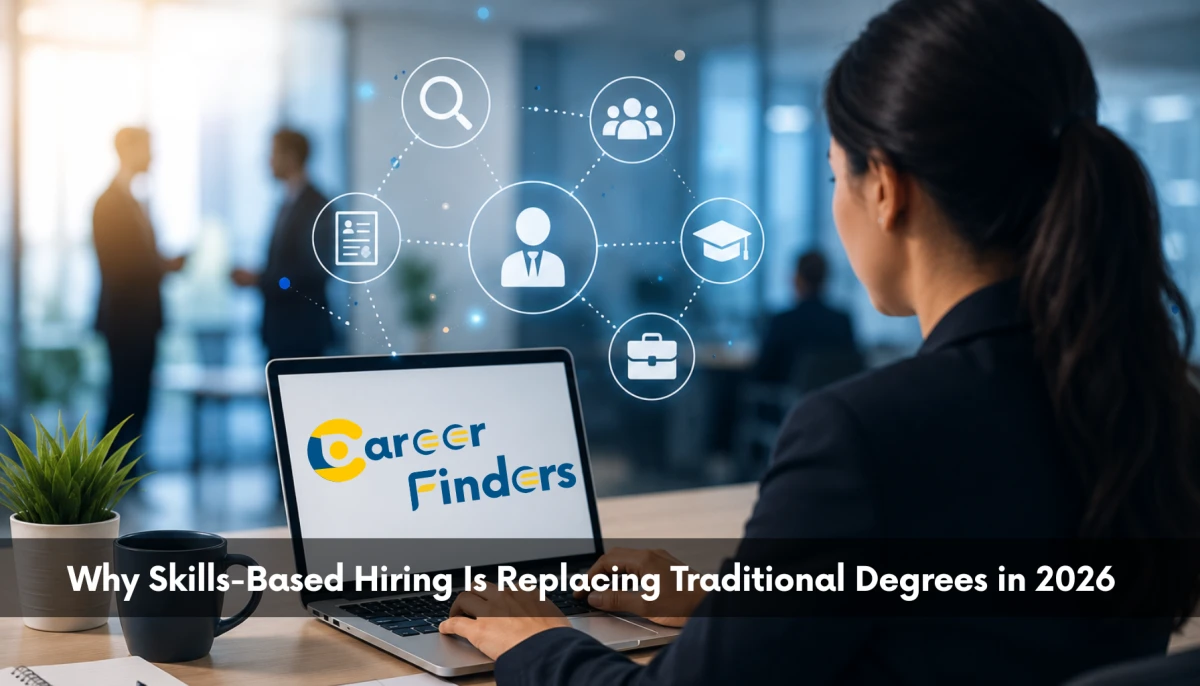
The global job market is changing faster than ever before. In 2026, employers are no longer focusing only on university degrees when hiring candidates. Instead, companies are increasingly adopting skills-based hiring strategies to find talent that can deliver real results from day one.
From technology and healthcare to marketing and customer service, organisations are prioritising practical experience, certifications, communication abilities, and digital knowledge over traditional academic qualifications.
This shift is creating new opportunities for students, career changers, freelancers, and professionals who may not have advanced degrees but possess valuable workplace skills.
Businesses across the world are facing intense competition, rapid AI transformation, and talent shortages. Because of this, employers are focusing on candidates who can adapt quickly and contribute immediately.
Companies now realise that degrees alone do not always guarantee job readiness. Many candidates with strong practical experience, online certifications, portfolio projects, or freelance work often outperform applicants with only academic qualifications.

Modern recruitment teams are increasingly using:
Employers want workers who can learn quickly, use digital tools effectively, and collaborate with global teams.
Artificial intelligence is also changing how companies hire employees. Many businesses now use automated hiring platforms that scan resumes based on skills, keywords, and experience rather than only educational background.
Candidates with skills in areas such as:
are seeing stronger job opportunities in 2026.
Job seekers who continuously upgrade their skills through online learning platforms and certifications are becoming more competitive in the modern workforce.
The good news is that career growth is becoming more accessible. Students and professionals no longer need to rely only on expensive university programs to build successful careers.
Today, employers value:
This means individuals can create career opportunities by building strong portfolios and learning in-demand skills online.
Several industries are already heavily focused on skills-first recruitment:
Software companies are hiring developers, designers, and analysts based on coding abilities and portfolio work.
Marketing agencies increasingly hire professionals with SEO, content creation, and social media experience.
Healthcare organisations are looking for practical training, communication skills, and patient management abilities.
Companies worldwide are hiring remote workers with language and customer support skills.
Graphic designers, video editors, writers, and content creators are often selected based on portfolios instead of degrees.
Professionals who want to stay competitive should focus on continuous learning and career development.
Develop knowledge in AI tools, communication platforms, analytics, and online collaboration software.
Maintain an updated LinkedIn profile and showcase projects, certifications, and achievements.
Internships, freelance work, volunteering, and remote projects can strengthen your profile.
Strong communication remains one of the most valuable workplace skills globally.
Follow recruitment trends, emerging technologies, and global workforce changes.
Experts believe skills-based hiring will continue growing over the next decade. Companies are aiming to reduce hiring gaps, improve workforce diversity, and find candidates faster.
This hiring model also benefits employers because it expands access to talent beyond traditional education systems.
For job seekers, the future is becoming more flexible and opportunity-driven. Candidates who focus on learning, adaptability, and real-world skills are likely to succeed in the changing employment market.
The workforce of 2026 is being shaped by technology, adaptability, and practical skills. Degrees still hold value, but employers are increasingly prioritising what candidates can actually do in real work environments.
For students, professionals, and career changers, this shift creates exciting new opportunities to build successful careers through skills, experience, and continuous learning.
As recruitment trends continue evolving, staying proactive and developing in-demand abilities may become the biggest advantage in the modern job market.
#CareerGrowth #Jobs2026 #SkillsBasedHiring #FutureOfWork #CareerDevelopment #RecruitmentTrends #DigitalSkills #JobSeekers #HiringTrends #CareerFinders