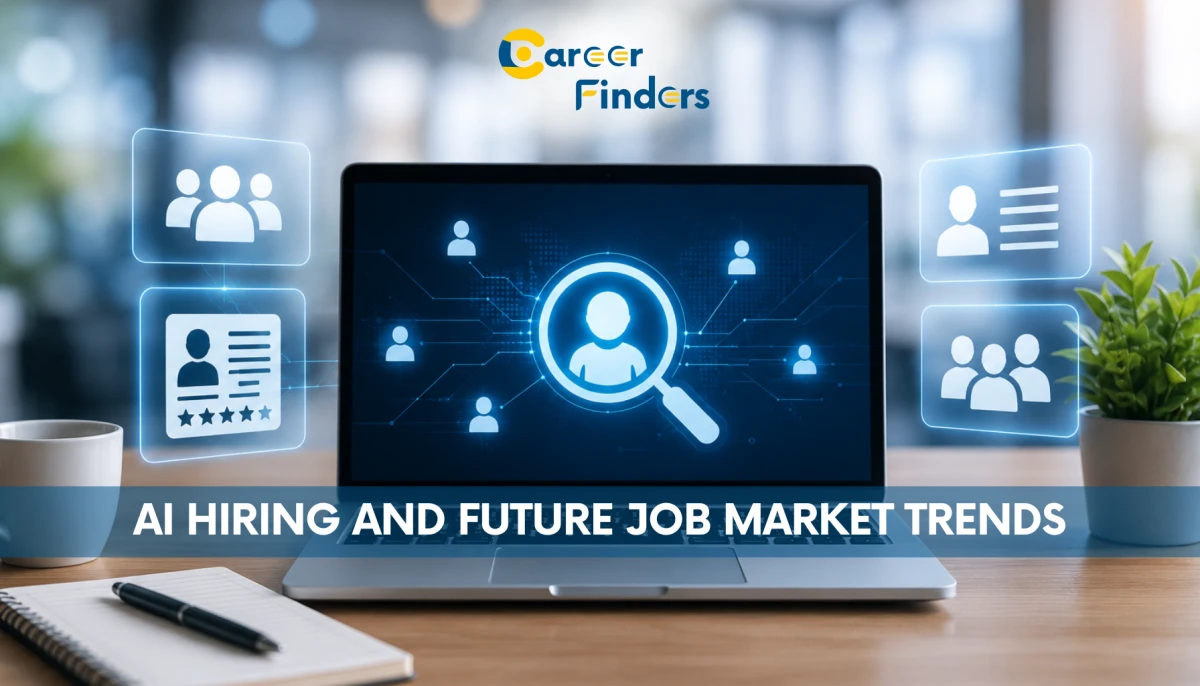
Artificial intelligence is no longer just a technology topic. It is now becoming a major part of hiring, career planning and workplace growth. From resume screening to business automation, AI is changing how companies recruit talent, how employees work and how students prepare for future opportunities.
For students and job seekers, this change means that career preparation cannot depend only on a degree or a basic resume. Employers now want candidates who can learn fast, use digital tools, solve real problems and adapt to changing workplace needs.
For employers, the hiring process is also changing. Recruitment is no longer only about filling vacancies. It is about finding people who can bring practical value, understand technology and grow with the company.
This is why platforms like CareerFinders.co can play an important role by sharing useful career news, job market updates and hiring insights for students, job seekers and employers.
Many companies are now using AI tools to save time and improve recruitment. Recruiters often receive hundreds of applications for one job role. AI can help them scan resumes, check keywords, compare skills and shortlist candidates faster.
This can be useful for employers, but it also creates a challenge for job seekers. A resume that is too simple, unclear or not matched with the job description may not get noticed. Even if the candidate has good skills, the application can be missed if the resume does not clearly show relevant experience.
That is why job seekers need to create stronger resumes. A good resume should clearly mention skills, tools, achievements, projects, certifications and work experience. It should also be customised for the role instead of sending the same resume everywhere.
AI is not only changing recruitment. It is also changing daily work. Many tasks in marketing, administration, customer service, finance, design, coding and data analysis can now be supported by AI tools. This means employees who know how to use technology properly can become more productive and valuable.
Students should start career preparation early. Waiting until graduation to think about jobs is no longer a smart approach. Employers now look for practical skills, confidence and real examples of work.
A student does not need to learn everything at once. The better approach is to choose one career direction and build skills step by step.
For example, a technology student can learn software development, AI basics, cloud computing, cybersecurity or data analysis. A business student can learn digital marketing, Excel, business analytics, CRM tools or project management. A design student can build a portfolio with creative projects. A finance student can learn reporting, compliance and data tools.
The most important thing is practical proof. Projects, internships, portfolios, case studies and certifications can help students show their ability more clearly.
Students should also learn how to use AI tools responsibly. AI can help with research, writing, presentations, planning and productivity. But students should not fully depend on AI. They should use it as a support tool while still building their own knowledge and thinking skills.
For job seekers, the job search process is becoming more competitive. Applying to many jobs with the same resume is not always effective. A better strategy is to apply carefully to relevant roles and customise each application.
Job seekers should read the job description properly and match their resume with the required skills. They should highlight experience that directly connects with the role.
For example, instead of writing:
“I worked in marketing.”
A stronger line would be:
“Managed social media content, prepared weekly reports and supported campaign planning to improve online engagement.”
This type of writing shows real work and practical value.
Job seekers should also improve their online presence. A professional LinkedIn profile, portfolio or career profile can help recruiters understand the candidate better. Many employers check online profiles before making hiring decisions.
AI awareness can also help job seekers. Candidates who know how to use AI tools for writing, research, data, design, customer support or productivity may stand out in many roles.
But human skills are still important. Communication, teamwork, problem-solving, time management and adaptability are still highly valuable in the workplace.
Employers are also facing a changing hiring environment. The right candidate is not always the one with the longest resume. Sometimes, a candidate with practical skills, good learning ability and strong attitude can be more useful than someone with only formal experience.
Employers should focus on skill-based hiring. This means checking what the candidate can actually do, not only where they studied or how many years of experience they have.
AI can support hiring, but employers should not depend only on automated systems. If the screening process is too strict, companies may miss good candidates who do not use the exact keywords.
A balanced hiring process should include resume screening, interviews, practical tasks and human judgement.
Employers should also invest in training. Technology is changing quickly, so upskilling current employees can help businesses stay competitive. Training employees can also reduce hiring pressure and improve retention.
For small and medium businesses, this is especially important. They may not have large recruitment teams, but they can still improve hiring by writing better job descriptions, using digital tools and focusing on practical skills.
The future job market will reward people who can combine technical knowledge with human ability. Candidates should focus on both digital and soft skills.
Some important future-ready skills include:
These skills can help students and job seekers become more employable. They can also help employers build stronger teams.
CareerFinders.co can help readers understand how the job market is changing. As AI becomes more common in hiring and workplace operations, people need simple and practical guidance.
Students need career preparation tips. Job seekers need resume, interview and job search advice. Employers need hiring insights and workforce planning ideas.
By publishing helpful articles on these topics, CareerFinders.co can attract organic traffic from readers searching for information about AI hiring, future jobs, career tips, resume writing, student career planning and employer recruitment trends.
This type of content is useful because it connects current news with practical career advice. It gives readers information they can actually use.
Students should not wait until the final year to start career planning. They should begin early by learning basic workplace skills and building practical projects.
They should choose one main career direction and focus on relevant skills. Learning too many random things without direction can create confusion.
Students should also create a simple portfolio. This can include assignments, projects, reports, designs, websites, presentations or internship work.
Internships and part-time experience can also help students understand real workplace expectations. Even small experience can make a profile stronger when presented properly.
Most importantly, students should keep learning. The job market is changing, and continuous learning will help them stay ready.
Job seekers should update their resumes regularly. A resume should not only list duties. It should show results, skills and achievements.
They should customise their resume for each job application. This helps recruiters quickly understand why the candidate is suitable for the role.
Job seekers should also prepare for interviews properly. They should be ready to explain their experience, projects, strengths and career goals.
Using AI tools for resume improvement or interview preparation can be helpful, but the final content should sound natural and honest.
They should also stay active on professional platforms and apply to relevant jobs instead of sending random applications everywhere.
Employers should write clear job descriptions. A good job description should explain the role, responsibilities, required skills, tools, salary range if possible and workplace expectations.
They should also make the hiring process faster and more transparent. Good candidates often apply to multiple companies, so slow hiring can cause employers to lose talent.
Employers should focus on practical evaluation. Work samples, short tasks or structured interviews can help identify stronger candidates.
AI tools can support recruitment, but final hiring decisions should include human understanding. A candidate is more than just keywords on a resume.
Employers should also support employee learning. Training, mentoring and upskilling can help businesses build stronger teams from within.
AI is changing the job market, but it is not only a challenge. It is also an opportunity.
Students can use this time to build practical skills before entering the workforce. Job seekers can improve their resumes, online profiles and digital confidence. Employers can improve their hiring process and focus on skill-based recruitment.
The future of work will not only belong to people who understand technology. It will belong to people who can combine technology with communication, problem-solving and continuous learning.
CareerFinders.co can continue to guide readers with useful career news, job market updates and practical hiring insights. As hiring changes, students, job seekers and employers all need trusted information that helps them make better career and recruitment decisions.
References
#CareerFinders #AIHiring #FutureOfWork #JobSeekers #Students #Employers #CareerTips #HiringTrends #JobMarket #WorkplaceSkills