

Recruit top talent with customizable hiring plans

| Sign up With CareerFinders

New Zealand Joins Global Response to Gulf Attacks: Why It Matters for Careers and Businesses

1774079479_new-zealand-joins-global-response-to-gulf-attacks-why-it-matters-for-careers-and-businesses.jpeg

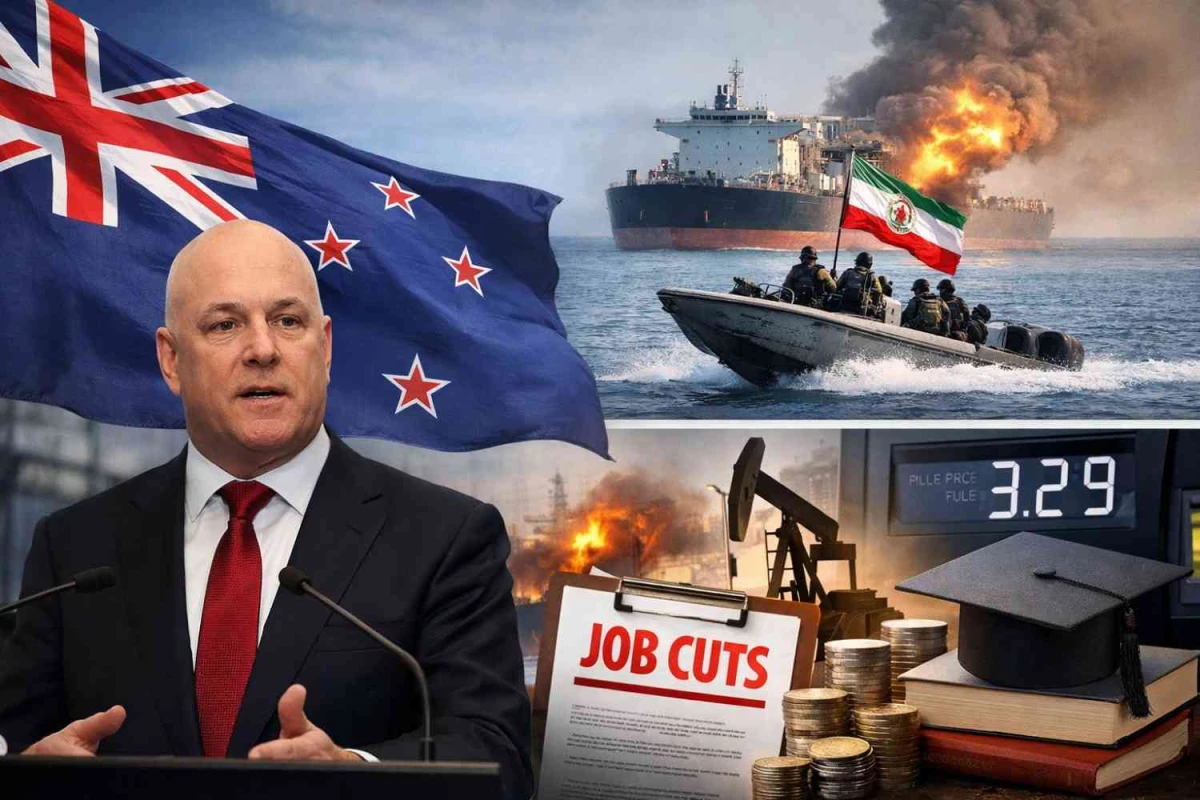
New Zealand has joined 19 other countries, including the United Kingdom and Germany, in condemning Iran’s attacks on commercial vessels in the Gulf. The escalating conflict in the Strait of Hormuz—a critical global oil route—is already driving up fuel prices and affecting economies worldwide.

While this may seem like a geopolitical issue, its effects are directly impacting businesses, employment trends, and student life.

Why the Strait of Hormuz Matters Globally

The Strait of Hormuz is one of the most important shipping routes for oil and gas. Any disruption affects:

  • Global fuel supply
  • Transportation and logistics costs
  • Economic stability
  • Job markets

New Zealand’s Prime Minister highlighted that attacks on fuel tankers and energy infrastructure are already increasing fuel costs, which will impact households and industries alike.

Impact on Employers and Businesses

Rising fuel prices are creating new challenges for employers.

Key Effects:
  • Increased logistics and operational costs
  • Pressure on supply chains and delivery systems
  • Reduced profitability in fuel-dependent industries
What Businesses Should Do:
  • Adopt remote and hybrid work models
  • Reduce dependency on fuel-heavy operations
  • Improve efficiency through digital tools

 Businesses that adapt quickly can maintain stability during global disruptions.

Impact on Jobseekers and the Job Market

Economic shifts caused by fuel crises often reshape hiring trends.

Current Job Market Changes:
  • Growth in remote and digital jobs
  • Reduced hiring in transport and logistics sectors
  • Increased demand for multi-skilled professionals
How Jobseekers Can Benefit:
  • Focus on digital and remote work skills
  • Target stable industries like IT, finance, and online services
  • Highlight adaptability and cost-saving contributions

 Jobseekers who align with these trends can improve their chances of employment.

Impact on Students and Future Careers

Students are also affected by rising fuel prices and economic uncertainty.

Key Challenges:
  • Higher commuting and living expenses
  • Increased cost of goods and services
  • Changing demand in future job markets
Smart Career Planning Tips:
  • Build future-ready skills (technology, communication, analytics)
  • Consider flexible and online learning options
  • Choose careers in stable and growing sectors

 Early preparation helps students stay ahead in uncertain times.

Global Cooperation and Economic Stability

The joint statement by New Zealand and other countries emphasizes the importance of:

  • Protecting global trade routes
  • Ensuring safe passage of goods
  • Maintaining international economic stability

The situation also highlights how global conflicts can influence everyday life, from fuel prices to job opportunities.

Final Thoughts

New Zealand’s decision to join global efforts against Gulf attacks reflects a broader concern about economic stability and energy security. For employers, jobseekers, and students, this is a reminder that global events can shape local opportunities.

Sources

https://www.rnz.co.nz/
https://www.1news.co.nz/2026/03/20/nz-prepares-for-fuel-uncertainty-as-it-eyes-prolonged-mideast-conflict/
https://www.1news.co.nz/2026/03/21/4-a-litre-91-petrol-is-coming-but-take-care-with-data-showing-its-here/
https://www.reuters.com/world/asia-pacific/joint-statement-strait-hormuz-by-european-nations-japan-2026-03-19/
https://www.aljazeera.com/middle-east/
https://www.bbc.com/news/world-middle-east
https://apnews.com/hub/middle-east
https://www.theguardian.com/world/middle-east

#NewZealandNews #StraitOfHormuz #FuelCrisis #GlobalEconomy #BusinessNews #JobMarket #Employers #Students #CareerFinders #EnergyCrisis #WorldNews #HiringTrends #RemoteJobs #FutureCareers


Frequently Asked Questions

Attacks on oil tankers and shipping routes disrupt fuel supply, leading to higher oil prices, increased transportation costs, and economic instability worldwide.

The Strait of Hormuz is a key oil route. When it is disrupted, supply decreases, causing global fuel prices to increase rapidly.

Businesses face higher logistics and operational costs, reduced profit margins, and potential supply chain disruptions

Higher costs can slow hiring in some industries, especially transport and logistics, while increasing demand for remote and digital jobs.

Industries like transportation, logistics, aviation, and manufacturing are most impacted due to their reliance on fuel.

Jobseekers can explore roles in technology, remote services, and cost-efficient operations where demand often increases during economic shifts.

Students face higher commuting costs, increased living expenses, and rising prices of daily essentials.

Careers in IT, healthcare, finance, and digital services are more stable and less dependent on global fuel supply.

Students should develop digital skills, gain practical experience, and stay adaptable to changing job market trends.
{ }