

Recruit top talent with customizable hiring plans

| Sign up With CareerFinders

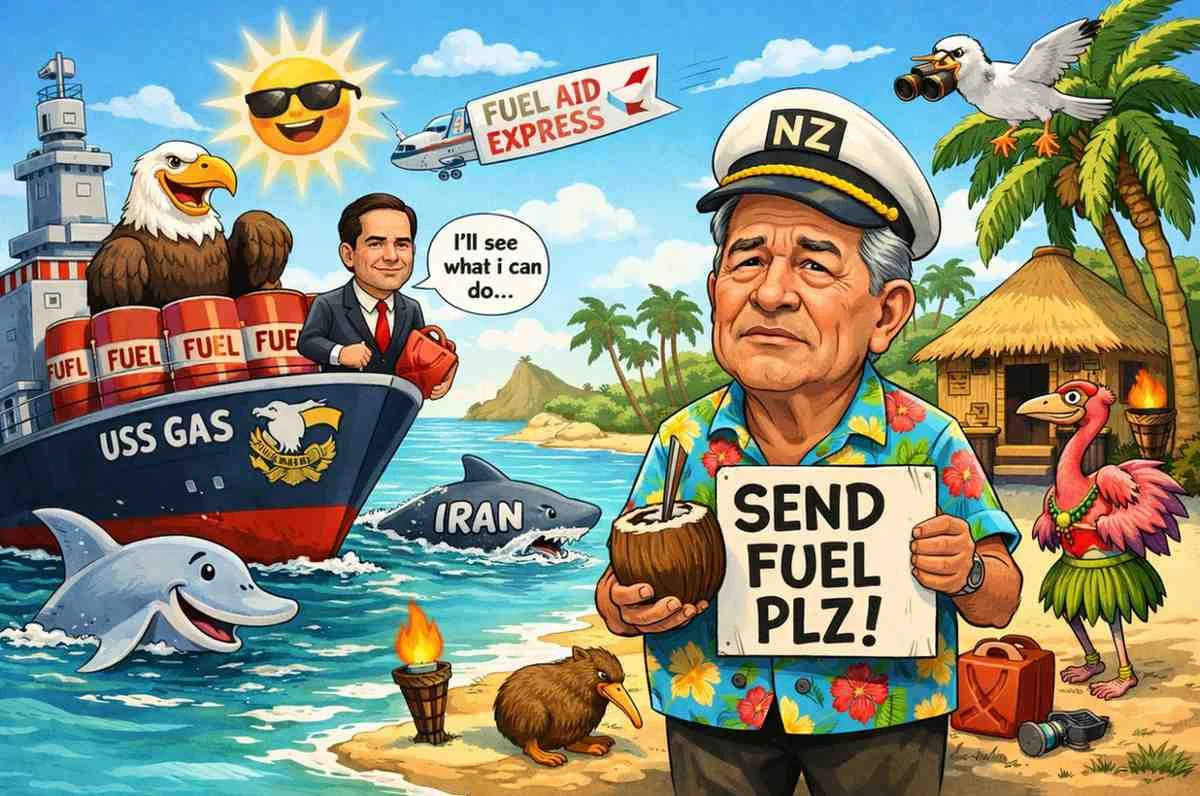
Fuel Crisis Alert: New Zealand Seeks US Support Amid Iran War – What It Means for Jobs & Economy

1775626396_fuel-crisis-alert-new-zealand-seeks-us-support-amid-iran-war-what-it-means-for-jobs-economy.jpeg

Amid rising tensions in the Middle East, Winston Peters has urged the United States to prepare fuel tankers for the Pacific region. This request came after discussions with Marco Rubio in Washington.

The concern stems from disruptions linked to the Iran conflict, which is affecting global oil supply chains—especially vulnerable regions like Pacific island nations.

According to Peters, the situation is already creating “significant economic impacts” not just for New Zealand, but across the Pacific.

Why Pacific Nations Are at Risk

Pacific countries depend heavily on imported fuel. Any disruption in global oil supply can lead to:

  • Rising fuel prices
  • Transport and logistics challenges
  • Increased cost of living
  • Pressure on small economies

Countries like Samoa and Tonga have already raised concerns about possible fuel shortages and are seeking support from regional partners.

Global Impact: Why This Matters Beyond Geography

The situation highlights how geopolitical conflicts—like tensions involving Iran—can trigger:

  • Global oil price spikes
  • Supply chain disruptions
  • Economic slowdown across industries

Even regions far from the conflict feel the impact due to interconnected global markets.

Impact on Jobs & Employment (CareerFinders Insight)

This crisis is not just about fuel—it directly affects employment and career opportunities.

1. Increased Operational Costs for Businesses

Higher fuel prices lead to:

  • Increased transportation costs
  • Reduced business margins
  • Hiring slowdowns

2. Industries Most Affected

  • Logistics & Transportation
  • Aviation & Tourism
  • Manufacturing & Supply Chain
  • Retail & Imports

Employers in these sectors may delay hiring or reduce workforce costs.

3. Opportunities in Crisis

While some sectors struggle, others grow:

✔ Energy & renewable sector jobs
✔ Supply chain management roles
✔ Crisis management & policy jobs

What Students & Job Seekers Should Learn

  • Global events directly impact local job markets
  • Adaptability is key in uncertain economies
  • Skills in logistics, energy, and data analysis are increasingly valuable

Staying informed helps you make smarter career decisions.

What Employers Should Do

Organizations should:

✔ Prepare contingency plans
✔ Optimize fuel and logistics costs
✔ Invest in alternative energy solutions
✔ Maintain flexible hiring strategies

CareerFinders Insight

At CareerFinders, we help you stay ahead of global changes:

✔ Discover job opportunities across industries
✔ Understand market trends
✔ Build a future-ready career

Explore opportunities now: CareerFinders

Key Takeaways

  • Global conflicts can disrupt local economies
  • Fuel shortages impact jobs and industries
  • Employers must adapt to rising costs
  • Job seekers should focus on future-ready skills

Sources

Frequently Asked Questions

The conflict is impacting key oil supply routes and creating uncertainty in global markets, leading to rising fuel prices and supply disruptions.

Pacific nations rely heavily on imported fuel, making them highly sensitive to global supply chain disruptions and price increases.

It increases transportation and production costs, leading to inflation, reduced business activity, and economic instability.

Transportation, logistics, aviation, tourism, and manufacturing sectors are the most impacted.

Yes, roles in energy, logistics, supply chain management, and sustainability often see increased demand.

Because global events directly influence job markets, hiring trends, and industry growth.

Skills in data analysis, logistics, crisis management, and renewable energy are highly valuable.

By upgrading skills, staying adaptable, and exploring opportunities in stable or growing industries.