

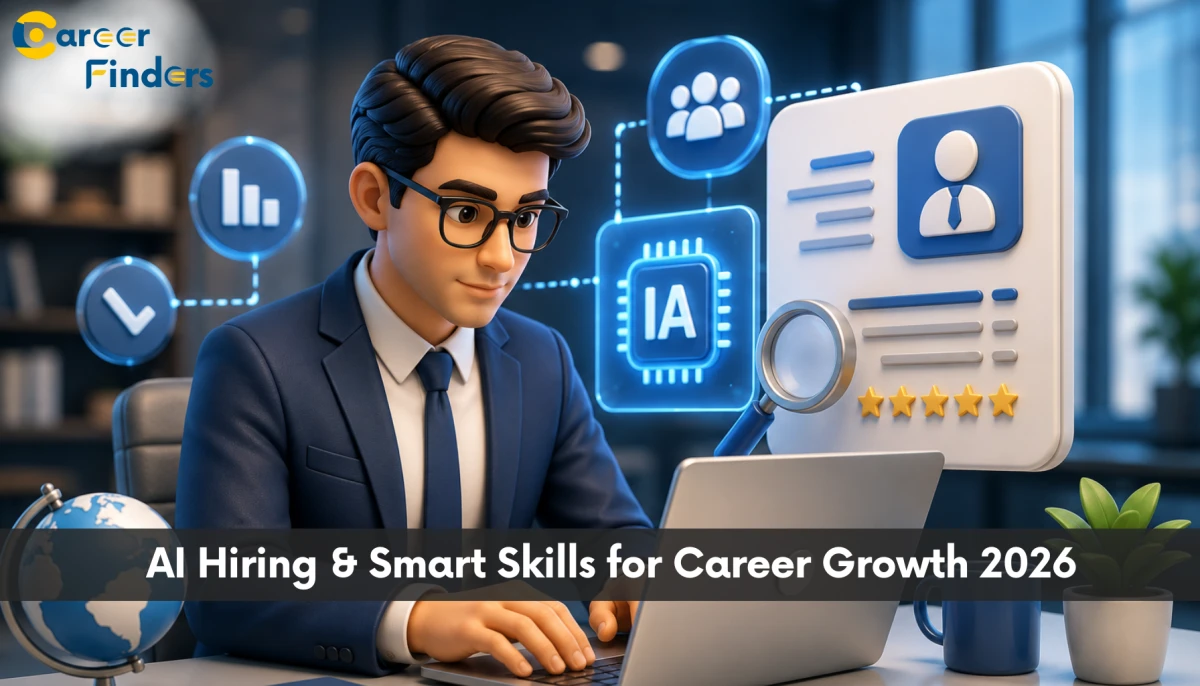
The global job market is changing rapidly. Companies are using Artificial Intelligence (AI) to screen resumes, conduct video interviews, and shortlist candidates faster than ever before. For students, graduates, migrants, and job seekers, understanding these changes is becoming essential for career success.
Platforms like CareerFinders.co are helping students and employers stay updated with modern recruitment trends, future skills, and job market insights.
In 2026, employers are receiving thousands of applications for a single role. Because of this, many companies now use AI-powered recruitment systems to filter candidates before a recruiter even sees the resume.
Modern hiring systems often evaluate:
According to recent job market discussions, graduates who personalise applications and focus on practical skills are getting better results than candidates who mass apply to hundreds of jobs.
Many recruiters now prefer candidates who:
Artificial Intelligence is no longer limited to large technology companies. Businesses across healthcare, retail, construction, hospitality, education, finance, and logistics are now using AI-driven hiring systems.
AI recruitment tools can help employers:
While AI creates efficiency, it also means candidates must prepare smarter applications that match job descriptions and industry requirements.
Job seekers who understand how Applicant Tracking Systems (ATS) work often have better success rates in modern recruitment processes.

Degrees are still important, but employers now focus heavily on workplace-ready skills. Companies across Australia, New Zealand, Canada, and other countries are increasingly hiring candidates who can adapt quickly and communicate professionally.
Some of the most valuable skills include:
Industries such as healthcare, construction, IT, hospitality, business management, aged care, cybersecurity, and renewable energy continue seeing strong demand for skilled workers.
Technical knowledge alone is no longer enough. Employers now look for candidates who can work effectively with people, manage workplace pressure, and communicate professionally.
Soft skills that employers value highly include:
As automation grows, human-focused skills are becoming even more valuable because companies still need employees who can build relationships and solve real-world problems.
Recruiters increasingly search for candidates online before scheduling interviews. A professional online presence can significantly improve job opportunities.
Students and professionals should:
Candidates with strong LinkedIn profiles often appear more credible and career-focused to employers.
Many students still believe success comes from sending hundreds of applications. However, recruiters and career experts increasingly recommend targeted applications instead.
Effective job search strategies include:
Job seekers who focus on quality applications often receive better interview opportunities than those using mass-application methods.
Remote and hybrid work opportunities continue growing globally. Many companies now hire employees who can work effectively from different locations using digital collaboration tools.
Popular remote-work skills include:
Candidates who can adapt to flexible working environments are becoming more attractive to employers worldwide.
AI interviews are becoming common in global hiring. Some systems now analyse:
This means interview preparation is more important than ever. Students should practise answering questions clearly and professionally while maintaining confidence throughout interviews.
Mock interviews, communication practice, and industry preparation can significantly improve interview performance.
Employers increasingly prefer candidates with practical experience, even for entry-level positions.
Students can improve employability through:
Practical experience helps candidates develop workplace confidence and understand industry expectations before entering full-time employment.
Many students choose courses without understanding future job demand. This can create challenges later when searching for employment opportunities.
Career guidance platforms help students:
CareerFinders.co regularly shares career insights, recruitment updates, interview preparation tips, and education news designed for students, employers, and job seekers.
Several industries are expected to create major employment opportunities in coming years, including:
Students who prepare for future-focused industries may gain stronger long-term career stability.
The future job market belongs to candidates who continue learning, adapting, and improving their professional skills. Technical knowledge alone is no longer enough. Employers now value communication, confidence, adaptability, and digital awareness just as much as qualifications.
Students, graduates, migrants, and professionals who stay informed about AI hiring trends and modern recruitment strategies can build stronger career opportunities in 2026 and beyond.
As technology continues transforming global industries, candidates who combine practical skills, professional communication, and continuous learning will have the best chance of long-term career success.
For the latest career news, recruitment insights, education updates, and job market trends, visit CareerFinders.co.
(1) The global job market is becoming increasingly competitive as companies adopt AI-driven recruitment systems and workplace automation, changing how candidates are shortlisted and hired.
The Guardian – Gen Z Entrepreneurs and AI Hiring Trends
(2) Candidates using targeted job applications, networking strategies, and direct recruiter outreach are achieving better hiring success compared to mass applying methods.
Business Insider – Smart Job Search Strategies in 2026
(3) Reports suggest nearly 75% of resumes are filtered out by AI-powered Applicant Tracking Systems (ATS) before reaching human recruiters, making resume optimisation more important than ever.
TechRadar – Why AI Rejects Most Resumes
(4) Recruiters continue playing a major role in global hiring, but job seekers are also being advised to verify recruiter authenticity carefully to avoid online job scams and fake employment offers.
The Wall Street Journal – Recruiter Scams and Hiring Risks
(5) Hiring trends are evolving rapidly, with some companies experimenting with skill-based and no-resume recruitment strategies that focus more on practical ability than traditional qualifications.
Times of India – No Resume Hiring Trend Goes Viral